 USA
USA UK
UK Australia
 UAE
UAE Canada
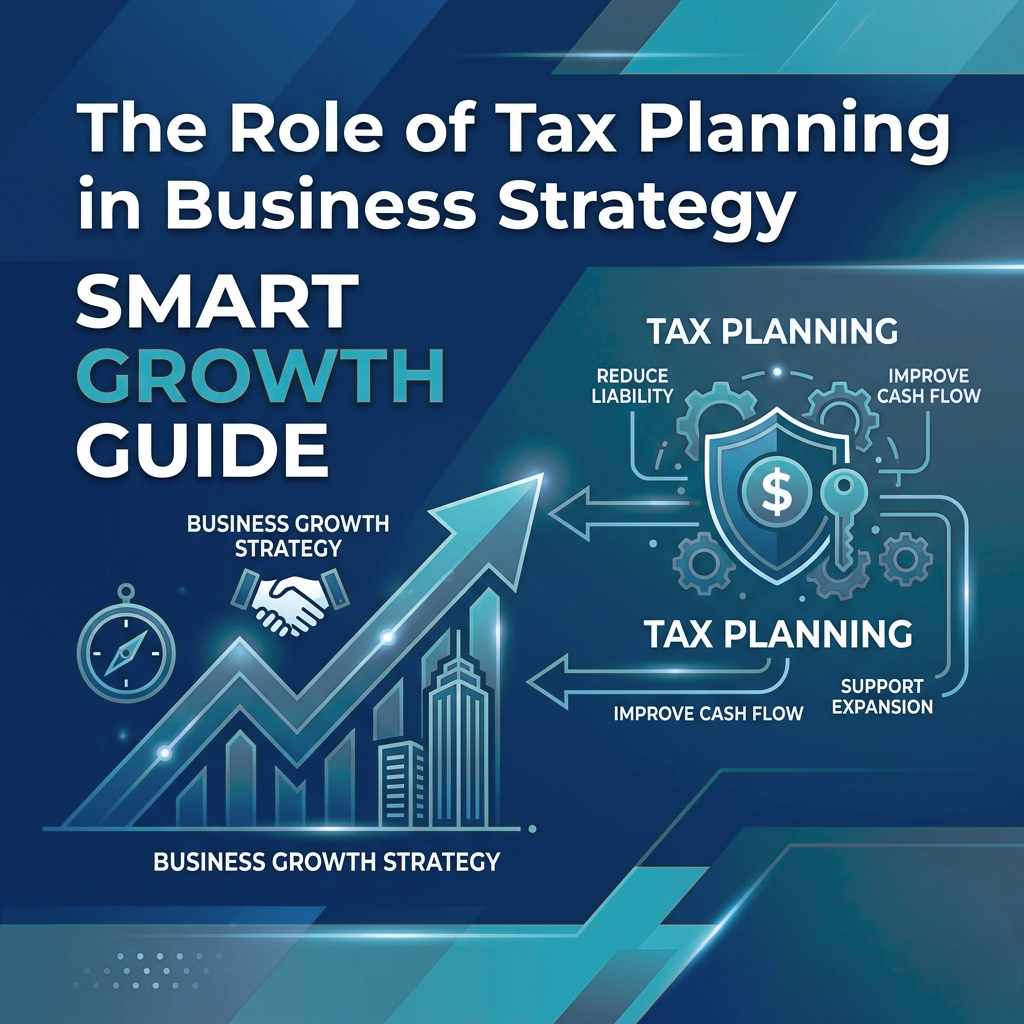
In today’s competitive business environment, success is no longer driven by sales alone. Modern companies are focusing on smarter financial strategies that support sustainable growth, operational efficiency, and long-term profitability. One of the most powerful yet often overlooked tools in this process is tax planning.
Tax planning is not simply about filing returns or reducing tax bills at the end of the financial year. It is a strategic business function that influences investment decisions, cash flow management, expansion plans, and overall financial stability. Businesses that integrate tax planning into their core strategy gain a significant advantage in navigating market challenges while maximizing profitability.
Understanding Tax Planning in a Strategic Context
Tax planning refers to the process of analyzing a company’s financial activities to ensure tax efficiency within legal frameworks. It involves organizing finances, investments, expenses, and operations in ways that minimize tax liabilities while remaining compliant with regulations.
When approached strategically, tax planning becomes more than a compliance task. It transforms into a proactive financial management practice that aligns with broader business goals.
Modern businesses use tax planning to:
Improve cash flow
Reduce unnecessary expenses
Support expansion initiatives
Optimize operational structures
Enhance investment opportunities
Strengthen financial forecasting
A well-designed tax strategy helps businesses make informed decisions that positively impact both short-term performance and long-term growth.
Why Tax Planning Matters for Business Growth
1. Improved Cash Flow Management
Cash flow is the foundation of every successful business. Excessive tax liabilities can restrict working capital and limit operational flexibility. Strategic tax planning allows businesses to forecast obligations accurately and allocate funds more effectively.
By identifying deductions, credits, and tax-saving opportunities in advance, companies can retain more capital for:
Hiring employees
Investing in technology
Expanding operations
Managing operational expenses
Building emergency reserves
Consistent cash flow management enables businesses to remain agile in changing market conditions.
2. Better Decision-Making
Tax implications directly affect major business decisions. Whether a company is planning to launch a new product, enter a new market, or purchase assets, understanding the tax impact is essential.
Strategic tax planning supports informed decision-making by evaluating:
Investment structures
Financing options
Asset acquisitions
Business expansion models
International operations
Businesses that consider tax efficiency before making financial decisions often experience higher returns and lower risks.
3. Reduced Financial Risks
Tax laws and regulations frequently change, making compliance increasingly complex. Failure to comply with tax obligations can result in penalties, audits, and reputational damage.
A proactive tax planning strategy helps businesses:
Stay compliant with regulations
Reduce audit risks
Maintain accurate records
Avoid unnecessary penalties
Improve financial transparency
This risk management approach protects the company’s reputation and financial health.
4. Supporting Long-Term Expansion
As businesses grow, their tax responsibilities become more complex. Expansion into new regions or international markets introduces additional tax considerations such as cross-border taxation, transfer pricing, and regulatory compliance.
Strategic tax planning ensures businesses can scale efficiently while maintaining profitability. Companies with structured tax strategies are better prepared to handle growth-related financial challenges.
The Connection Between Tax Planning and Business Strategy
Tax planning should not operate independently from overall business strategy. Instead, it should work alongside financial planning, budgeting, and operational management.
Here’s how tax planning aligns with strategic business objectives:
Business Expansion
Companies planning growth can structure operations to maximize tax efficiency and reduce expansion-related costs.
Investment Planning
Tax-efficient investment strategies help businesses improve returns and preserve capital.
Cost Optimization
Proper planning identifies opportunities to reduce operational expenses through allowable deductions and incentives.
Succession Planning
Businesses preparing for ownership transition or restructuring can minimize future tax burdens with careful planning.
Competitive Advantage
Lower tax liabilities allow businesses to invest more resources into innovation, marketing, and customer experience.
Digital Transformation and Modern Tax Planning
Technology is reshaping how businesses manage taxes. Cloud accounting systems, automation tools, and real-time financial reporting have made tax planning more accurate and efficient than ever before.
Modern businesses are leveraging digital solutions to:
Monitor financial performance in real time
Automate tax calculations
Reduce manual errors
Improve reporting accuracy
Ensure timely compliance
Outsourcing financial and tax management services also allows businesses to access expert guidance without maintaining large in-house teams.
Common Tax Planning Mistakes Businesses Should Avoid
Even profitable businesses can face financial setbacks due to poor tax planning. Some common mistakes include:
Waiting until year-end for tax preparation
Ignoring available deductions and credits
Failing to maintain organized financial records
Overlooking regulatory updates
Mixing personal and business expenses
Neglecting professional financial advice
Avoiding these mistakes helps businesses maintain stability and maximize financial performance.
How Professional Tax Planning Services Add Value
Professional tax consultants and outsourced accounting experts provide valuable insights that support smarter business decisions. Experienced professionals help businesses identify opportunities, improve compliance, and create tailored tax strategies aligned with organizational goals.
Partnering with experts can help businesses:
Reduce tax liabilities legally
Improve financial efficiency
Stay updated with changing regulations
Streamline financial operations
Focus more on core business activities
Businesses that invest in expert financial guidance often gain a stronger competitive edge in their industry.
Final Thoughts
Tax planning is no longer just a financial requirement — it is a critical component of modern business strategy. Companies that adopt proactive and strategic tax planning practices position themselves for stronger growth, improved profitability, and long-term success.
In an increasingly competitive marketplace, businesses must look beyond traditional accounting practices and embrace smarter financial management approaches. Effective tax planning empowers organizations to make better decisions, manage risks, and create sustainable business growth.
At OBG Outsourcing, businesses can access professional outsourcing, accounting, and financial management solutions designed to support operational efficiency and strategic growth in today’s evolving business landscape.
_(6).jpg)


1.png)
_(5).jpg)
.jpg)
_(4).jpg)
_(1).jpg)
_(2).jpg)
.png)