 USA
USA UK
UK Australia
 UAE
UAE Canada
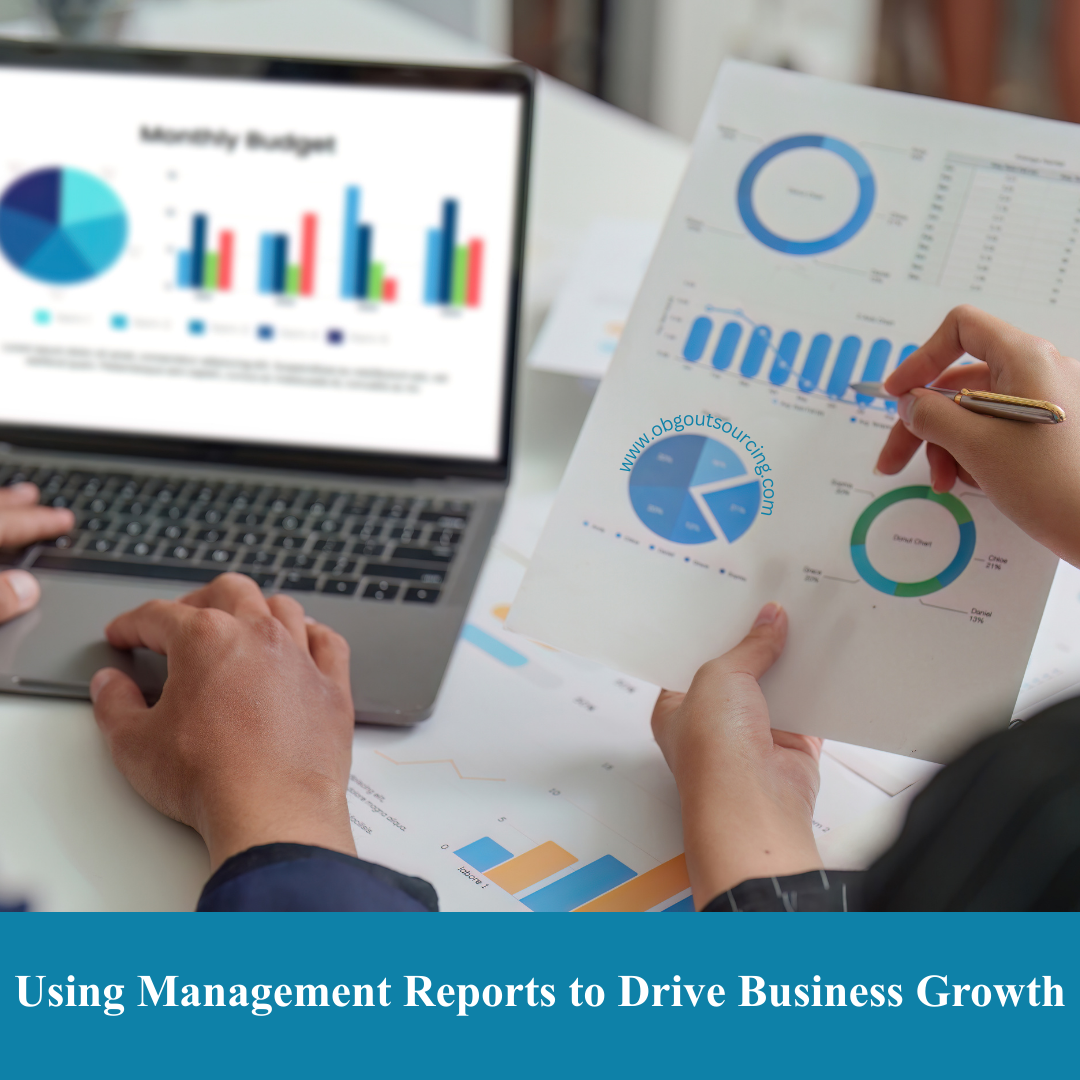
Business growth rarely happens by accident. It is the result of informed decisions, consistent monitoring, and the ability to respond quickly to financial trends. One of the most powerful tools that supports this process is management reporting.
Management reports transform raw financial data into meaningful insights that help business owners, executives, and managers understand performance, control costs, improve profitability, and plan strategically for the future.
This guide explains what management reports are, why they matter, the most important reports to track, and practical ways to use them to accelerate business growth.
What Are Management Reports?
Management reports are internal financial and operational reports designed to support decision-making.
Unlike statutory financial statements prepared for regulators or tax authorities, management reports are:
Created specifically for business leaders
Focused on performance, trends, and forecasts
Produced regularly (weekly, monthly, or quarterly)
Customizable to match business goals
Their primary purpose is simple: help leaders make smarter, faster decisions.
Why Management Reports Are Essential for Growth
Growing businesses face increasing complexity—more transactions, higher expenses, larger teams, and tighter cash flow. Without clear reporting, decision-making becomes reactive instead of strategic.
Effective management reporting helps businesses:
1. Understand Financial Performance
Leaders can clearly see:
Revenue trends
Profit margins
Cost patterns
Department performance
This visibility makes it easier to identify strengths and correct weaknesses early.
2. Improve Cash Flow Control
Cash flow—not profit—is what keeps a business operating.
Management reports highlight:
Incoming vs. outgoing cash
Slow-paying customers
Upcoming liabilities
This allows proactive planning before problems arise.
3. Support Better Decision-Making
Reliable data replaces guesswork.
Businesses can confidently decide:
When to hire staff
Whether to expand locations
Which products to promote
Where to reduce spending
4. Strengthen Accountability
Clear reporting aligns teams with measurable goals.
Managers become responsible for:
Budgets
Department expenses
Revenue targets
Operational efficiency
Accountability drives performance—and performance drives growth.
Key Management Reports Every Growing Business Needs
Not all reports provide equal value. The most effective businesses focus on a core set of high-impact reports.
Profit and Loss Statement (P&L)
Shows:
Revenue
Cost of goods sold
Operating expenses
Net profit
Growth insight:
Reveals whether revenue increases are actually improving profitability.
Cash Flow Report
Tracks:
Cash received
Cash spent
Net cash position
Growth insight:
Prevents liquidity crises and supports sustainable expansion.
Budget vs. Actual Report
Compares:
Planned financial performance
Real-world results
Growth insight:
Highlights overspending, missed revenue targets, and planning inaccuracies.
Accounts Receivable Aging Report
Displays:
Outstanding customer invoices
Payment delays by time period
Growth insight:
Improves collections and protects working capital.
Key Performance Indicator (KPI) Dashboard
Summarizes:
Revenue growth rate
Gross margin
Customer acquisition cost
Operating expense ratio
Cash runway
Growth insight:
Provides a quick snapshot of overall business health.
How Management Reports Drive Strategic Growth
Management reports are valuable only when actively used.
High-growth companies integrate reporting into daily and monthly decision-making.
Identify Profitable Products and Services
Detailed margin analysis shows:
Which offerings generate the most profit
Which consume resources without return
This allows businesses to:
Focus marketing on high-margin services
Adjust pricing strategies
Eliminate underperforming products
Control Costs Without Hurting Performance
Expense trend analysis helps leaders:
Detect unnecessary spending
Negotiate supplier contracts
Optimize staffing levels
Smart cost control improves profit without reducing quality.
Plan Expansion With Confidence
Growth decisions—new hires, equipment, locations—require strong financial evidence.
Management reports provide:
Historical performance
Forecasted cash flow
Break-even analysis
This reduces risk and supports sustainable scaling.
Detect Problems Early
Regular reporting highlights warning signs such as:
Falling margins
Rising expenses
Declining cash reserves
Slow customer payments
Early detection allows fast corrective action before issues become crises.
Best Practices for Effective Management Reporting
To truly support growth, management reporting must be accurate, timely, and actionable.
Maintain Accurate Bookkeeping
Reliable reports depend on:
Clean financial records
Correct expense categorization
Regular reconciliations
Poor data leads to poor decisions.
Set a Consistent Reporting Schedule
Most growing businesses benefit from:
Monthly financial reports
Weekly cash flow reviews
Quarterly strategic analysis
Consistency ensures leaders always have current information.
Focus on Actionable Metrics
Avoid overwhelming reports filled with unnecessary numbers.
Instead, track metrics directly linked to:
Profitability
Cash flow
Efficiency
Growth targets
Clarity improves decision speed.
Use Visual Dashboards
Charts and dashboards make trends easier to understand, helping leaders:
Spot changes quickly
Communicate performance to teams
- Align departments around goals
Review Reports With Advisors
Accountants or financial consultants can:
Interpret complex trends
Suggest improvements
Provide strategic guidance
External insight often reveals opportunities leaders might miss.
Common Mistakes to Avoid
Even businesses that produce reports sometimes fail to use them effectively.
Watch out for:
Outdated reports that arrive too late to influence decisions
Inaccurate bookkeeping leading to misleading conclusions
Too many metrics creating confusion instead of clarity
Ignoring trends rather than acting on insights
Management reporting only drives growth when it leads to real action.
The Long-Term Impact of Strong Management Reporting
Businesses that consistently use management reports gain major advantages:
Faster, data-driven decisions
Stronger profitability
Better cash flow stability
Reduced financial risk
Clearer strategic direction
Over time, these advantages compound—turning steady improvement into sustainable business growth.
Final Thoughts
Management reports are far more than accounting documents.
They are strategic tools that reveal where a business stands today and where it can go tomorrow.
By maintaining accurate records, focusing on meaningful metrics, and reviewing reports regularly, business owners can transform financial data into powerful growth decisions.
_(6).jpg)


1.png)
_(5).jpg)
.jpg)
_(4).jpg)
_(1).jpg)
_(2).jpg)
.png)