 USA
USA UK
UK Australia
 UAE
UAE Canada
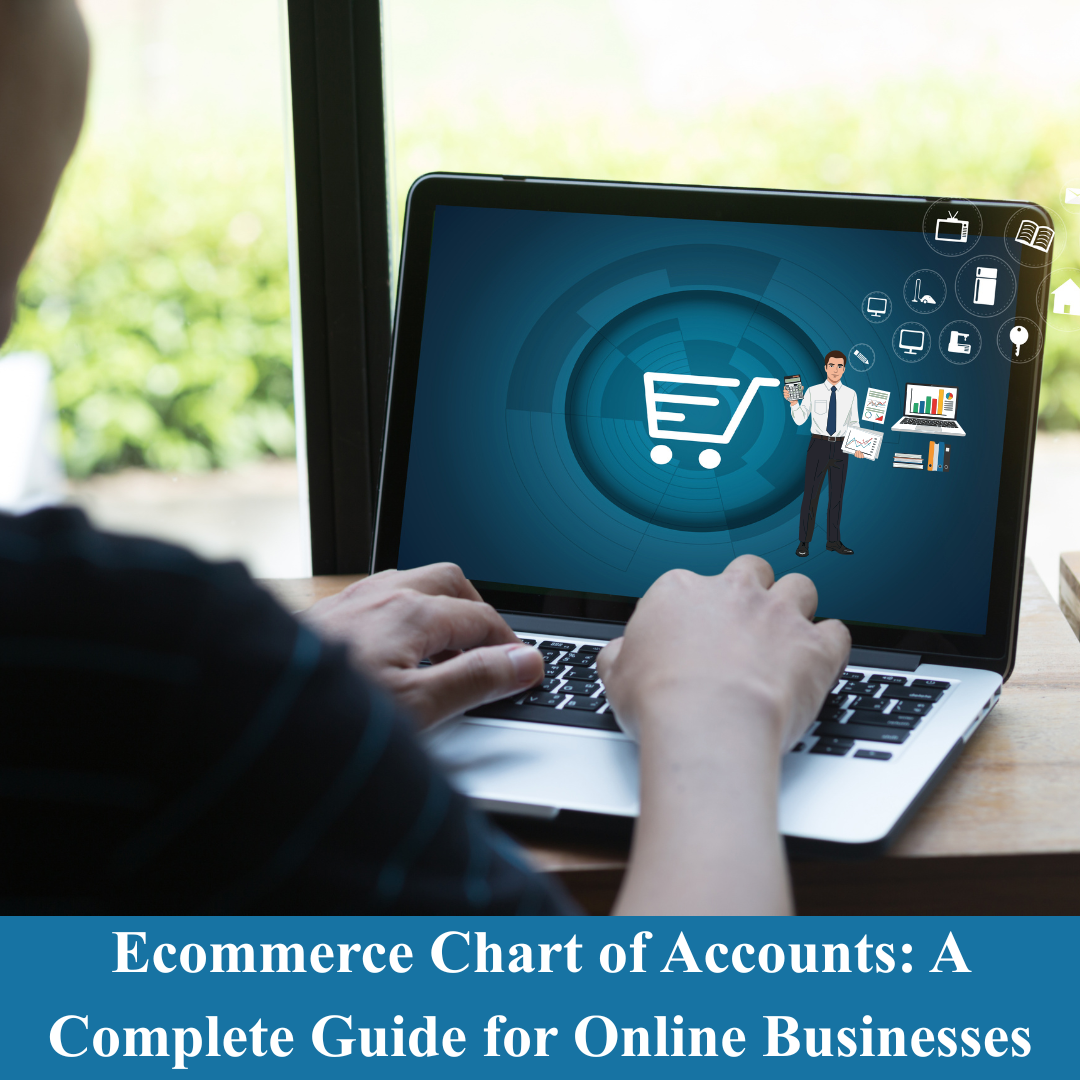
An accurate ecommerce chart of accounts is the foundation of clean bookkeeping, reliable financial reporting, and tax compliance for online businesses. Whether you sell on Amazon, Shopify, Walmart, Etsy, or multiple platforms, a properly structured chart of accounts ensures you understand profitability, cash flow, and true operating costs.
In this guide, we explain what an ecommerce chart of accounts is, why it matters, how to structure it, and best practices used by professional accountants and CPA firms.
What Is an Ecommerce Chart of Accounts?
An ecommerce chart of accounts is a structured list of accounts used to record and organize all financial transactions of an online business. It categorizes income, expenses, assets, liabilities, and equity in a way that reflects how ecommerce businesses actually operate.
Unlike traditional businesses, ecommerce companies deal with:
Multiple sales channels
Platform fees and commissions
Payment processor charges
Inventory and fulfillment costs
Sales tax or VAT across jurisdictions
A generic chart of accounts often fails to capture these details accurately.
Why an Ecommerce Chart of Accounts Is Important
A well-designed ecommerce chart of accounts helps you:
Track profitability by sales channel
Understand true cost of sales
Separate platform fees from operating expenses
Reconcile payment processors accurately
Prepare tax-ready financial statements
Without it, ecommerce financial reports can be misleading and unreliable.
Core Components of an Ecommerce Chart of Accounts
1. Income Accounts
Income accounts should be structured to reflect sales channels clearly.
Common ecommerce income accounts:
Product sales – Amazon
Product sales – Shopify
Product sales – Walmart
Shipping income
Discounts and refunds (contra income)
This allows visibility into revenue by platform.
2. Cost of Goods Sold (COGS)
COGS is critical for ecommerce profitability analysis.
Typical ecommerce COGS accounts include:
Product cost
Shipping and freight-in
Customs and duties
Packaging costs
Fulfillment and warehouse fees
Accurate COGS tracking ensures correct gross margin reporting.
3. Ecommerce Fees and Platform Charges
Marketplace and processor fees should never be mixed with general expenses.
Common fee accounts:
Amazon selling fees
Shopify platform fees
Payment processor fees
Referral and commission fees
Separating these provides clarity on platform profitability.
4. Operating Expenses
Operating expenses reflect day-to-day business operations.
Common ecommerce operating expense accounts:
Advertising and marketing
Software subscriptions
Professional fees
Office expenses
Customer support costs
These help track overhead and operating efficiency.
5. Inventory and Asset Accounts
Inventory management is a major ecommerce challenge.
Typical asset accounts include:
Inventory
Prepaid expenses
Fixed assets
Security deposits
Inventory accuracy directly impacts profit and tax reporting.
6. Liabilities and Tax Accounts
Ecommerce businesses often collect taxes on behalf of authorities.
Common liability accounts:
Sales tax payable
VAT payable
Refund liabilities
Loans and credit cards
Clear separation avoids compliance and reporting errors.
Sample Ecommerce Chart of Accounts Structure
Here is a simplified example:
Income
Product Sales – Amazon
Product Sales – Shopify
Cost of Goods Sold
Product Cost
Fulfillment Fees
Expenses
Advertising
Software Subscriptions
Professional Fees
Assets
Bank Accounts
Inventory
Liabilities
Sales Tax Payable
Credit Cards
This structure can be expanded as the business grows.
Best Practices for Ecommerce Chart of Accounts
Keep it detailed but not cluttered
Separate sales channels and fees
Align accounts with tax reporting needs
Maintain consistency year over year
Avoid frequent structural changes
Use sub-accounts wisely
A scalable chart of accounts saves time and prevents rework.
Ecommerce Chart of Accounts and Accounting Software
Most ecommerce businesses use cloud accounting tools such as QuickBooks Online, Xero, or Zoho Books.
A properly configured ecommerce chart of accounts integrates with:
Amazon Seller Central
Shopify
Walmart
Payment gateways
Inventory management tools
This ensures clean data flow and accurate reporting.
How Professional Accountants Set Up Ecommerce Charts of Accounts
Experienced ecommerce accountants:
Customize the chart based on business model
Map marketplace reports correctly
Reconcile gross sales vs net deposits
Ensure GAAP or cash basis compliance
Prepare review-ready and tax-ready books
This avoids common ecommerce accounting mistakes.
Who Needs a Customized Ecommerce Chart of Accounts?
A customized ecommerce chart of accounts is essential for:
Multi-channel sellers
High-volume ecommerce businesses
Businesses with inventory
Companies planning to scale or raise funding
CPA firms managing ecommerce clients
Final Thoughts
A well-designed ecommerce chart of accounts is not just an accounting requirement—it is a strategic tool. It provides clarity, improves profitability analysis, simplifies reconciliations, and ensures compliance.
Whether you are an ecommerce seller or an accounting firm supporting online businesses, investing in the right chart of accounts structure pays long-term dividends.
Need Help Setting Up or Reviewing an Ecommerce Chart of Accounts?
Professional ecommerce accounting support ensures your chart of accounts is accurate, scalable, and aligned with your business goals.
_(6).jpg)


1.png)
_(5).jpg)
.jpg)
_(4).jpg)
_(1).jpg)
_(2).jpg)
.png)